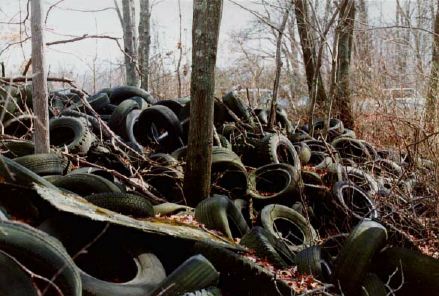

You want to know how they make any place look like a dump for a big Hollywood movie shoot? They just slap a big pile of tires in front of it.
If tires aren’t being actively used on a vehicle or sitting all shiny and new on a store display, they’re a problem. Every year in the United States, we throw away the equivalent of 1 tire for every person in the country. That means more than 340 million tires destined for landfills. And it takes the equivalent of about 7 gallons of crude oil to make a tire. That means nearly 2.4 billion gallons of crude oil waste are going into American dumps. Every year.
That’s a problem just for all the space we’d need to store the garbage. But it gets worse. In this article, you’ll read about the chemical, fire, and pest hazards of tire waste, as well as what’s being done to fix it, and how you can do your part.
Do tires pollute the environment?
Waste tires are an absolute environmental nightmare. Tires are made from a mix of natural and synthetic rubbers as well as other chemicals that make the final product stronger and weather resistant. That’s great so long as the tires are on your car. When you’re done with them, all those added chemicals become a liability. As tires lie in a dump, they’ll slowly decompose and release toxins into the soil or water. They’ll release toxins directly into the air if they’re incinerated or in case of an accidental fire.
Dumps try to prevent this by having seals and other protection against leaching into soil or groundwater. And 42 states have passed laws restricting how tire waste can be disposed of to curb some of the reckless disposal methods. But 8 states still have no regulations regarding tire waste. Even with effective laws in place, illegal tire dumping still occurs.
Our safety regulations vs theirs
US regulations on tire manufacturing try to prevent some of the worst toxins from being included in the first place, but foreign-made tires are difficult to hold to the same standards. Companies abroad can’t be sanctioned as easily as companies back home. The end result is that a lot of imported tires can be more dangerous than they appear. It’s just a roll of the dice.
Terrible tire toxins
Are tires hazardous waste? Surprisingly, the EPA classifies tires as municipal solid waste (rather than hazardous waste). This is why some of the disposal regulations are more lax with tires. We’ve already talked about the oils and protective chemicals that can be released into soil and water as tires break down. Tires also contain trace amounts of heavy metals.
These heavy metals do not easily break down over time and are toxic in sufficient quantities. This means that as tire waste accumulates, so does the risk of heavy metal poisoning of water or soil. When the numbers are big enough, even “traces” can be deadly.
Tires cause…fires?
A highly underrated concern with disposed tires is the risk of a fire. Remember again how tires are derived largely from crude oil? That makes them an excellent fuel source. Now, they don’t just spontaneously burst into flame, but any accidental fire that spreads to a pile of tires will burn a lot hotter and a lot longer.
In fact, close to half of recycled scrap tires live a second life as fuel, because they’re so effective as a fuel source. Tire fires are more difficult to control and extinguish than burning wood, and as long as they burn, they’re actively releasing toxins and dangerous chemicals into the air. The smoke can travel far from the original fire site and cause all sorts of respiratory issues beyond what something like a forest fire could do.
Can pests be a problem for tires too?
It’s easy to see how the chemicals in tire waste could be a problem, or how tires can be a major fire risk. One of the most surprising threats of irresponsible tire waste is pest infestations of all things.
Tires are perfectly shaped to collect water. Whether lying flat on the ground or at an angle, the walls of a tire naturally gather water in the middle. Even stacked vertically, a tire can hold smaller amounts of water between the sidewalls. These small and medium-sized collections of standing water are perfect hatching grounds for mosquitos and other pests. To make matters worse, the food waste present in a landfill (and especially the animals it attracts) are an excellent food source for any waterborne pests. Indirectly, tires can contribute to diseases these pests can carry like encephalitis.
Rodents like rats, mice, voles, and even rabbits can make homes out of discarded tires. It might seem like less of a problem in your local landfill, but you don’t want to toss your scrap tires in a junk heap behind your home. You may quickly find yourself with a no-vacancy rodent motel right in your backyard. That’s why the U.S. Centers for Disease Control and Prevention recommends removing discarded tires from your property and disposing of them properly.
All the downsides of tire waste
- Leached oil and chemicals
- Leached heavy metals
- Increased fire risk
- Atmospheric pollution due to fire
- Disease risk from pests
- Pest infestation
So is there any good news?
Yes! We’re already diverting up to 80% of tire waste from landfills to other uses like fuel generation and, our RubberForm specialty, new product manufacture. If you’ve ever asked “what happens to used tires?” there’s your answer. We’re proud to be a small, but growing part of the solution to our tire waste problem. Tire manufacturers are also doing their part, innovating smaller tires made with less material that last longer. It all means less total rubber waste sent to landfills in the future.
How does recycling these tires work?
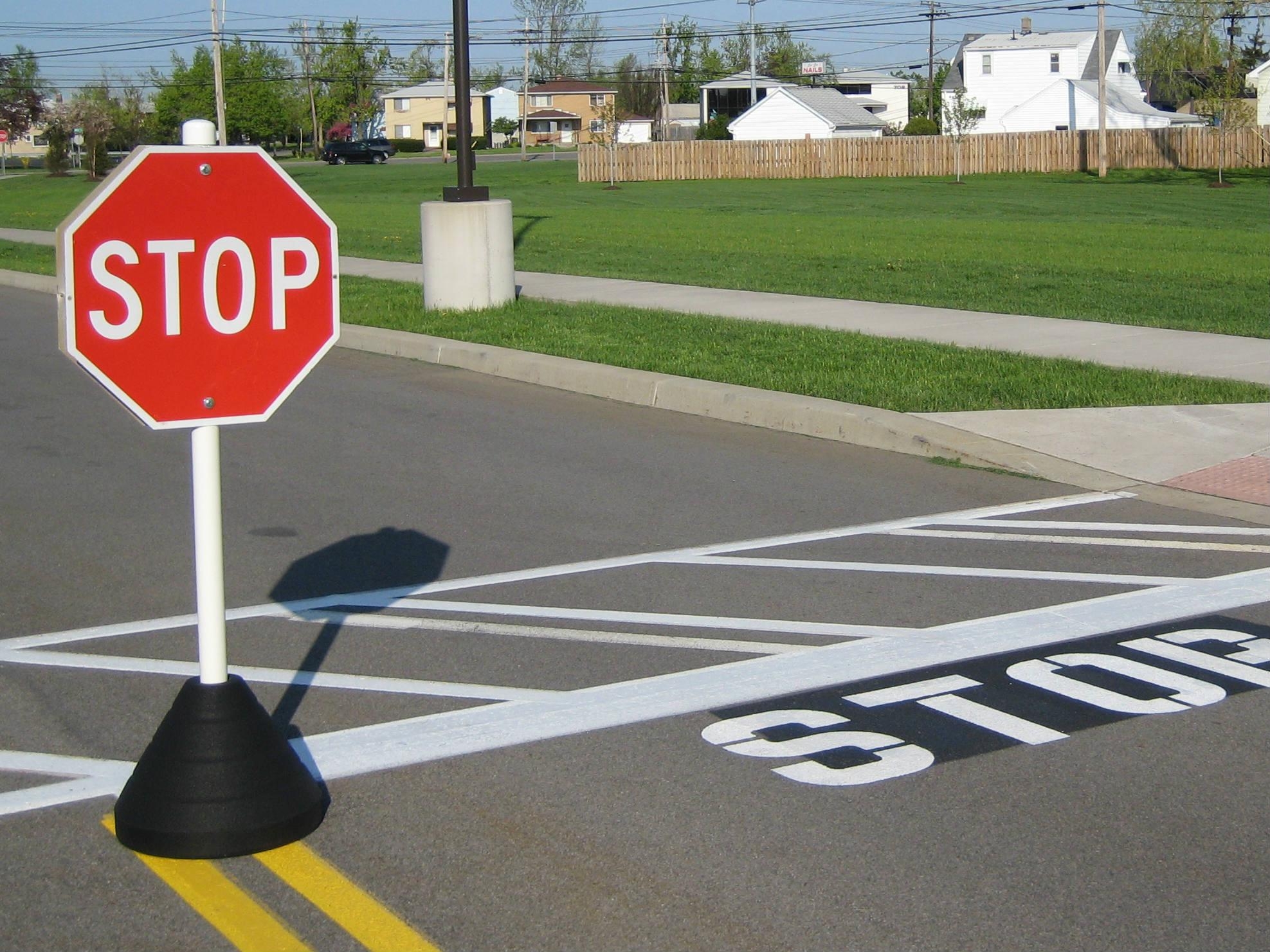
Our crumb rubber supplier (who is just down the street from our factory, so we save on travel pollution!) breaks the tires down into very tiny rubber bits. We take some of these scraps and put them in a compression mold, which uses high pressure and heat to force the pieces into a new, sturdy shape. That’s for our all-recycled-rubber products like our Portable Sign Bases. For a lot of other products, we’ll mix both recycled rubber and plastic together in a special composite material that we’ll either compression mold, injection mold, or extrude through a die into a new, durable product.
Why trust RubberForm for recycled products?
First, we source all our recycled material domestically. That means we’re cleaning up our own backyard first. We don’t import other peoples’ waste from overseas. We want our grandkids (and yours!) to drink cleaner water, walk on cleaner ground, and breathe cleaner air. We want to help you keep it green and keep it in the USA.
We also insist on absolutely, positively zero waste from all our manufacturing processes. We’re here to solve a waste problem, not create a new one for someone else to deal with. We believe it’s the right thing to do.
The new products we make with all these trash tires are guilt-free. That means you can buy RubberForm products with a clear conscience, knowing that we test our products for toxins. We also test our competitors, and often find unsafe levels of toxic chemicals when we do. We design and manufacture everything we make right here at our factory in Lockport, NY, so you can buy knowing your dollars are supporting American ingenuity and hardworking hands.
Why trust RubberForm?
- We clean up our shared backyard
- We run a zero waste facility
- Our safety products are guilt-free
When you buy RubberForm recycled safety products, everybody wins. We divert tires from landfills. You get a durable, easy-to-use safety product. Your customers, your team, and your fellow citizens all stay safer, whether in a parking lot, at a construction job site, an industrial facility, or out on the road. Recycling tires isn’t easy, but it’s totally worth it when everybody wins.
Because we can
Throwing away tires comes with serious environmental consequences. Chemical pollution. Fire hazards. Pests and public health risks. The good news is that recycling efforts are already diverting millions of tires from landfills and giving them new life as useful, long-lasting products. We’re pleased at RubberForm to play our part in that. You can help by choosing responsibly recycled materials and manufacturers committed to zero waste. We all play a role in cleaning up our shared American backyard. We do it because we can, one tire at a time.
Date Published: July 2, 2020