
Recycled rubber turns worn-out tires and other scrap rubber into durable new products instead of landfill waste. It matters because tire waste is one of the largest and most hazardous solid-waste streams in the country, and recycling diverts it into useful goods while cutting the pollution, fire risk, and energy use of making rubber from scratch. This guide covers the scale of the tire-waste problem, how recycling works, what recycled rubber becomes, and why it is the better material choice.
Key Takeaways
- The US discards roughly 340 million tires a year, and tire waste leaches chemicals, fuels fires, and breeds pests.
- Recycling already diverts up to 80% of scrap tires into fuel and new products.
- Recycled rubber products keep tires out of landfills and use less energy than producing new rubber.
- Recycling four tires prevents about 323 pounds of CO2 emissions, the equivalent of 18 gallons of gasoline.
The Scale of the Tire Waste Problem
Tire waste is an environmental problem measured in hundreds of millions of units a year. In the United States, we throw away roughly one tire per person annually, more than 340 million tires (that’s just about a tire per person). Because it takes about 7 gallons of crude oil to make a single tire, that adds up to nearly 2.4 billion gallons of crude-oil-equivalent waste headed for disposal every year.
The problem isn’t just the volume. Discarded tires cause harm in four distinct ways:
- Chemical leaching. Tires are made from natural and synthetic rubber plus chemicals that make them strong and weather-resistant. In a dump, they slowly release those oils and chemicals, along with trace heavy metals, into soil and water. Heavy metals do not break down and are toxic in sufficient quantities.
- Fire risk. Because tires derive largely from crude oil, they are an excellent fuel. Any fire that reaches a tire pile burns hotter and longer than wood, is hard to extinguish, and releases toxins into the air the whole time. About half of recycled scrap tires are actually used as fuel for this reason.
- Pests and disease. A tire’s shape collects standing water, which makes ideal breeding grounds for mosquitoes and other pests, and discarded tires shelter rodents. The CDC recommends removing discarded tires from your property and disposing of them properly.
- Landfill burden. Tires are bulky and slow to break down, and many landfills will not accept them, pushing some into illegal dumping in woods, along roadsides, and in waterways.
The EPA classifies tires as municipal solid waste rather than hazardous waste, which helps explain why disposal rules are relatively lax. Currently, 42 states have laws restricting how tire waste can be disposed of, but 8 states continue to have no regulations, and illegal dumping continues even where laws exist.
How Rubber Recycling Works
Recycling turns whole scrap tires into a raw material called crumb rubber, then remolds it into new products. The process starts at a tire-shredding facility, which breaks tires into uniform granules and removes contaminants like dust, glass, rock, steel, and fiber. RubberForm® sources its scrap tires from High Tread International in Lockport, NY, a supplier close enough to the factory to cut transportation pollution.
From there, the crumb rubber is formed into finished products in one of a few ways. For all-recycled-rubber items, the granules go into a compression mold that uses heat and pressure to force them into a sturdy new shape. For many other products, recycled rubber and plastic are combined into a composite that is compression-molded, injection-molded, or extruded through a die into a durable final product.
What Recycled Rubber Becomes
Recycled rubber is remarkably versatile, which is why so much of it can be diverted from landfills. Common uses include:
- Landscaping mulch
- Playground surfacing that gives children a safer place to play
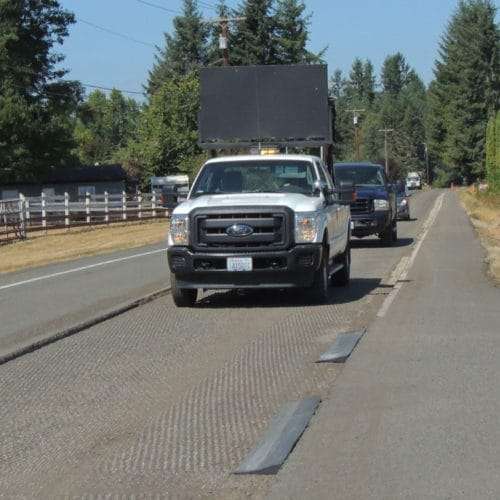
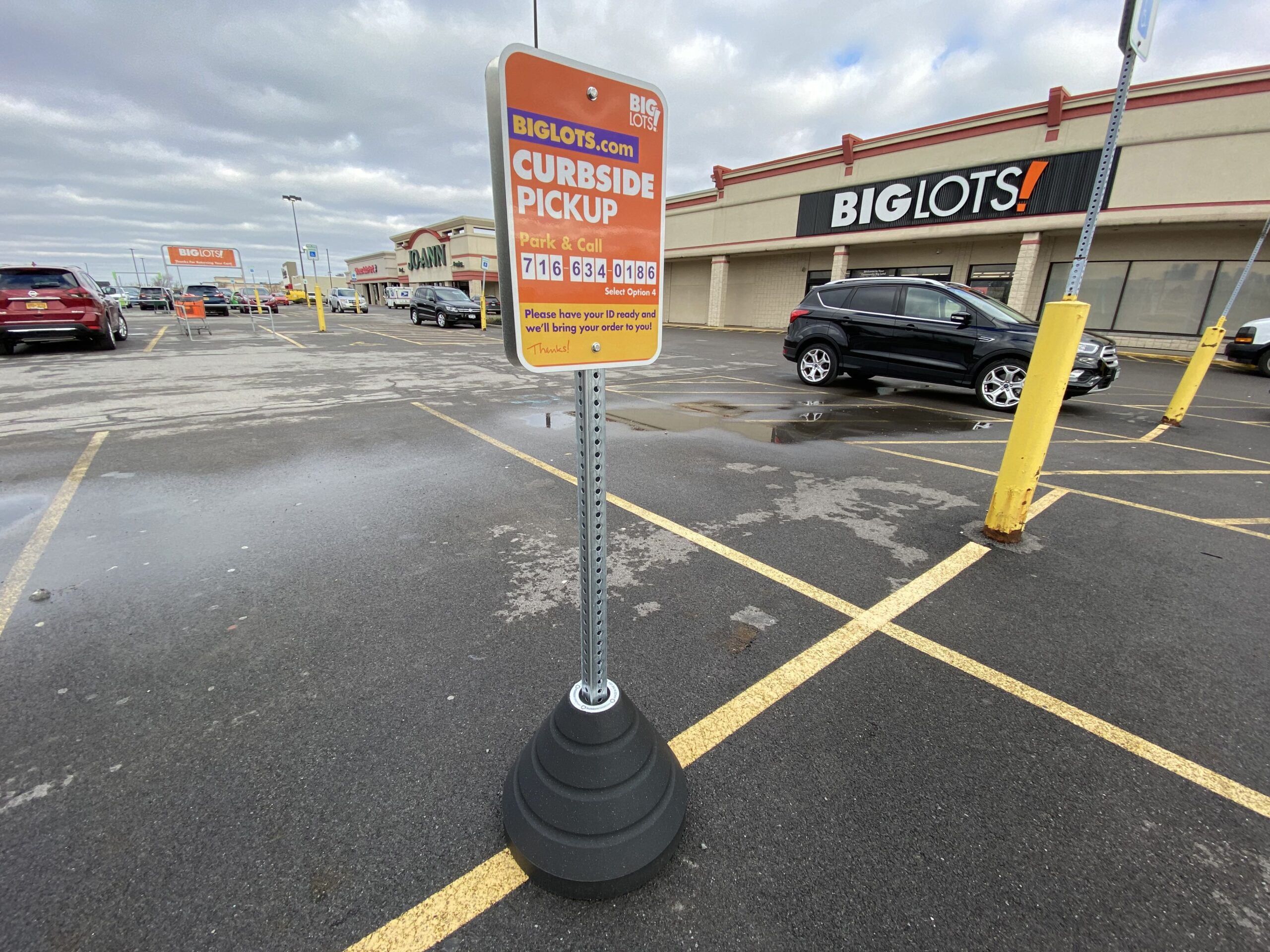
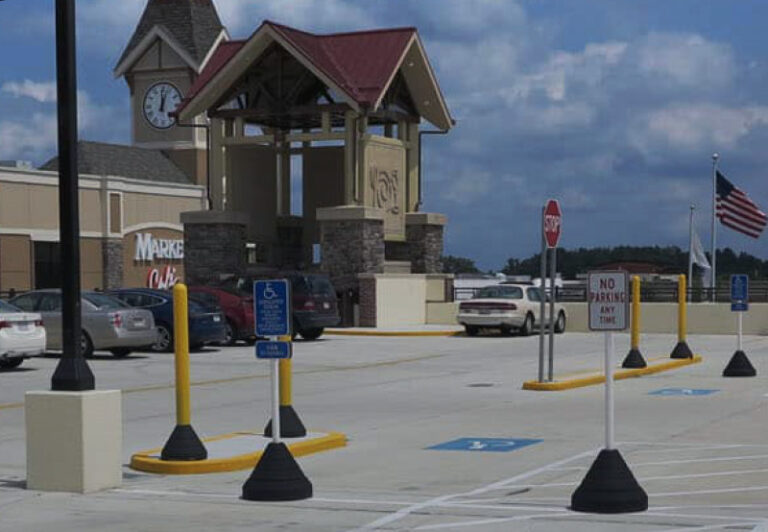
- Traffic-calming and safety products like speed bumps, speed cushions, and wheel stops
- Construction products like trackout control mats and spill containment berms
- Footwear and even jewelry
RubberForm® makes its own products from this recycled feedstock, turning worn-out tires into durable safety products with years of service life.
The Benefits of Choosing Recycled Rubber
Choosing recycled rubber delivers environmental and economic returns. The environmental case is clear: recycling four tires prevents about 323 pounds of CO2 emissions, equal to saving 18 gallons of gasoline, and using recycled material takes less energy than producing new rubber. It also reduces demand for newly harvested natural rubber, which relieves pressure to expand rubber-tree plantations into sensitive areas.
The economic case is just as real. A study by John Dunham & Associates found the rubber recycling industry generates more than $1.6 billion in annual economic activity, supporting nearly 8,000 jobs across all 50 states, more than $500 million in wages, and $182 million in tax revenue.
There is also a durability payoff. Reclaimed rubber is typically vulcanized, a process dating to Charles Goodyear in the mid-1800s that alters rubber’s chemical structure with heat and cross-atomic bonds to make it more weather-resistant and able to withstand more pressure. That is why a recycled-rubber product often outlasts the cheaper alternative and costs less over its life, even if it costs more upfront.
Why Buy RubberForm®
We make better stuff that makes your life better two ways: domestic sourcing and a zero-waste process. We source all recycled material domestically rather than importing waste from overseas. We run a zero-waste facility that reuses manufacturing byproducts instead of discarding them. And we manufacture everything in Lockport, NY. We also test our own products and competing products for toxins (and we’ve often found unsafe levels of toxic chemicals in competing products).
Recycling tires into new safety products keeps waste out of landfills, gives buyers a durable American-made safety product, and supports domestic jobs. When you are ready for recycled-rubber products you can feel good about, see our products or contact us.
Date Published: July 2, 2020