
Everybody talks about “going green” nowadays, but for a lot of companies it’s really just a vibe. Or a paragraph on their website. Or maybe the subject of an email they send out every Earth Day.
But protecting our environment actually matters. Your customers care about it. So does your team. And your neighbors. Most shareholders believe in going green strong enough to put some real money behind it.
At RubberForm®, we just think it’s the right thing to do. And we want to help you do it better. In this article, we will discuss the following key takeaways:
- Going green is the right thing to do (and it can save you money)
- You don’t need to overhaul everything at once
- It only works if everyone (that means your team) is on board
- Better, sustainable products pay for themselves in the long run
So what is green construction, anyway?
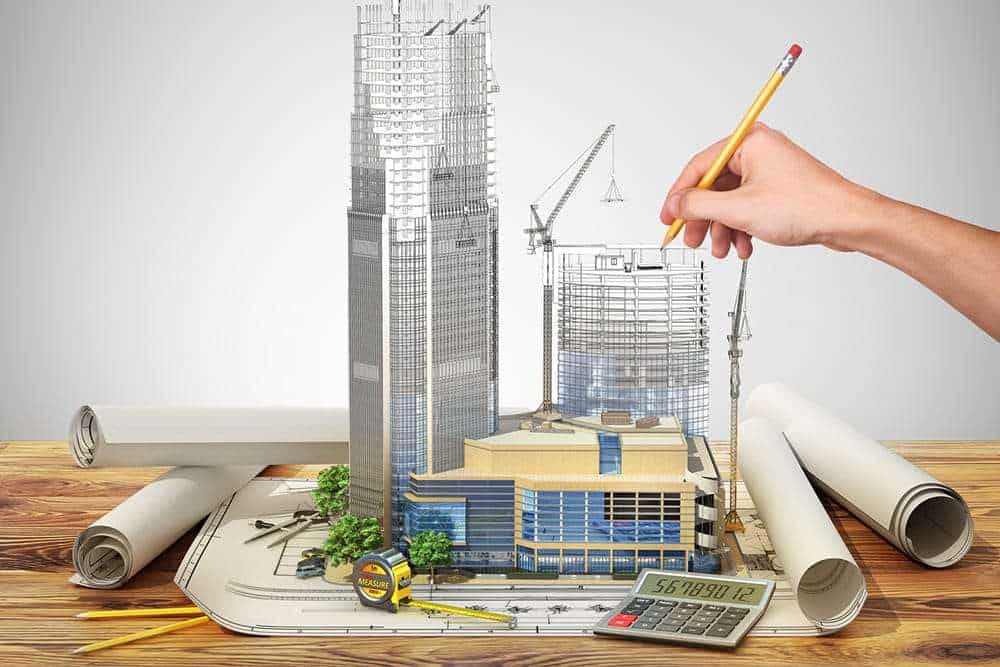
It’s not that complicated. Green construction methods simply take into account the overall impact they will have on the environment.
That means the energy it uses and produces. The sustainability of the materials being used. It also includes the life cycle of building materials: how they’re produced, transported, installed, demolished, and recycled.
A surprisingly large part of going green is good for your bottom line: smarter, more efficient use of your materials, time, and effort.
If you haven’t begun moving your business to become a green construction company, that’s okay. Now is a perfect time to get started. It doesn’t matter how small or large you are, investors, customers, and teams pay attention to who is going green in the construction industry.
Americans as a whole now recycle 28% of their waste! It’s not just a fad anymore.
1. Where to Begin?
We recommend starting slow. Rome wasn’t built in a day, and neither is your brighter, greener future. Little changes you make every day can make a huge difference in the long run.
Specialization, especially in the beginning of your green transition, can be a good thing!
Choose one area of your business where going green would really make a difference and focus there.
As a specialist, you can focus on environmentally-friendly excellence in that chosen area. Being the best there will increase the trust you receive from your customer base and allow that trust to carry over as you expand your green construction expertise into other areas.
You don’t have to be the “green construction company” right from the get-go. You can grow into it.
2. Change Comes from Within
Your employees need to be ready for the change-over. You won’t just be telling them what change is coming. You’ll be leading them into it. What better way to educate them by starting with stuff they use everyday?
Encourage your employees to reuse office supplies. Set up recycling bins throughout the office and even on the worksite itself. Switch to non-toxic cleaners. Make it everyone’s responsibility to turn off lights, fans, etc. Organize carpools so employees can use less gas. Give the team reusable water bottles and coffee travel mugs so they don’t use paper or plastic ones.
Once the whole team is on board, they’ll be committed to your vision. It’ll be a lot easier to make big changes to their work process, materials, and tools if they’re already living in a more environmentally-conscious world.
Quick & Easy “Going Green” Checklist:
- Recycle bins
- Non-toxic cleaners
- Conserve electricity
- Organize carpools
- Reusable water bottles
3. Tell Them Why (and How)
Even surrounded by sustainable practices, your team won’t believe in going green the way you do if you don’t tell them why. Make sure they understand your motivations in leading this green revolution. You’ll probably have to tell them early in the process and repeat it often.
Then you tell them how you’ll get there.
Conferences are held every year showcasing the latest innovations in green construction. There are also organizations that can help with getting you and your team LEED certified.
Make sure that all of your certifications are posted where customers can see them. This is the kind of thing you should be boasting about. If you do good work and use sustainable practices, people will notice.
4. Then Tell Everybody
Pack binders with information on how much money customers save in the long run by utilizing green construction. Not only are they doing the right thing, they’re saving money while they’re at it!
Sometimes green construction can pretty much sell itself. Just leave the facts where you customers can easily find them.
Share this information on your website. Not only are you looking to help the planet and your customers, but you’re sharing real information about it and not charging them for it.
How RubberForm® Can Help
Going green and being honest about it is about more than planting a few trees outside of the office (though they are a nice touch), it’s an essential part in the quality of your business.
Using sustainable and recycled products for construction was the idea RubberForm® was built around. Our products are made primarily from U.S. scrap tire rubber and recycled plastics. That means not only are you buying equipment made from recycled materials–you’re diverting waste from American landfills when you buy it. A lot of recycled products are made from waste from other countries because their trash is cheaper. It also tends to be more toxic. We don’t believe that’s worth the risk.
Our eco-friendly construction products provide cost-effective, durable and attractive alternatives to those made from concrete, metal, wood or plastic. RubberForm®’s proprietary manufacturing process ensures our products will not rust, chip, crack or crumble while providing years of superior performance. That’s another way of going green: saving you time, money, and materials on replacing a cheaper product multiple times before you’d even think about replacing ours.
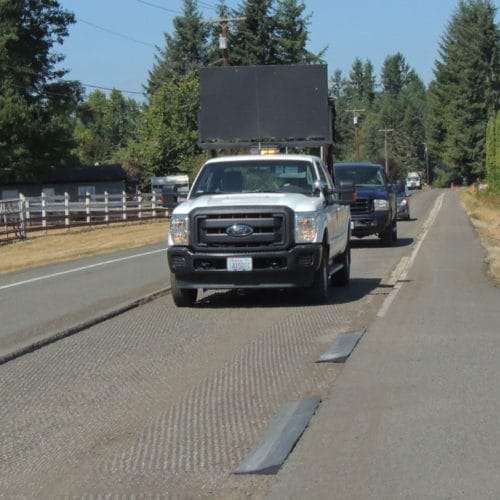
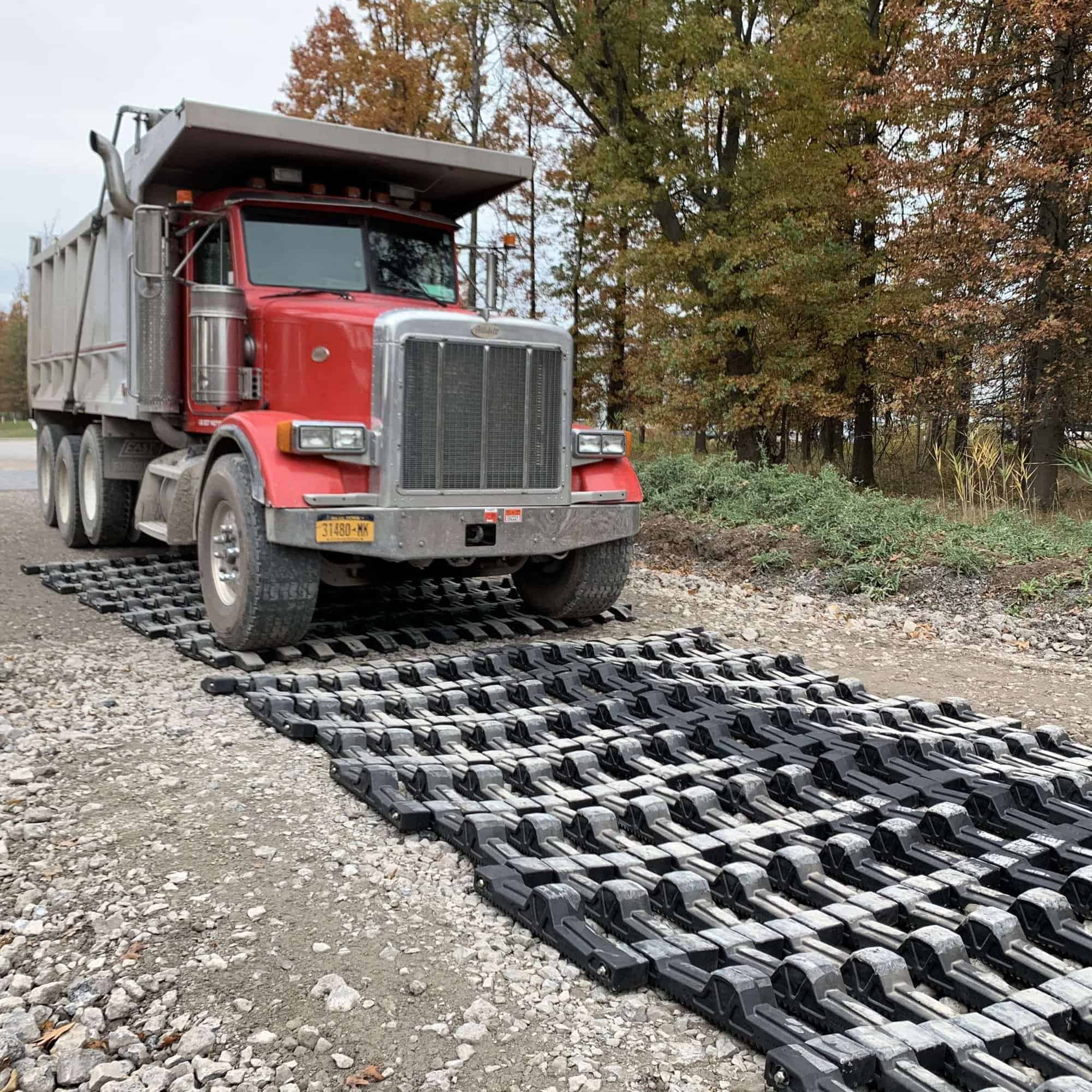
We don’t end our obsession with efficiency at materials and durability either. All our products are so easy to use, you’ll never be able to go back to the old methods of jury-rigged safety solutions. Here’s how easy it is to set up a RubberForm® Trackout Control Mat:
- Lift with a front loader
- Lay out
- Get to work
And when you’re done? Just lift it up again, shake it out, and fold it up for transport to your next job.
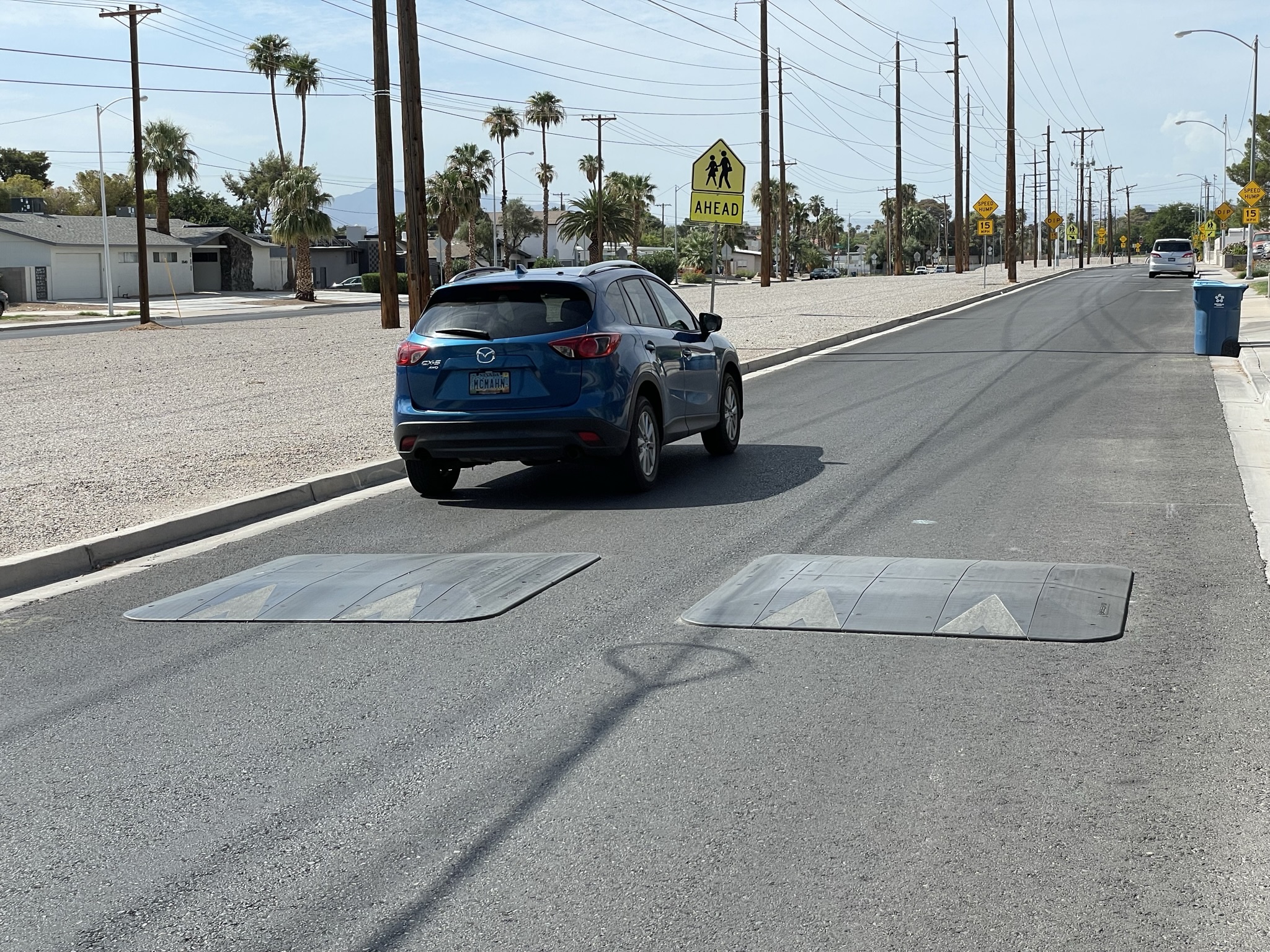
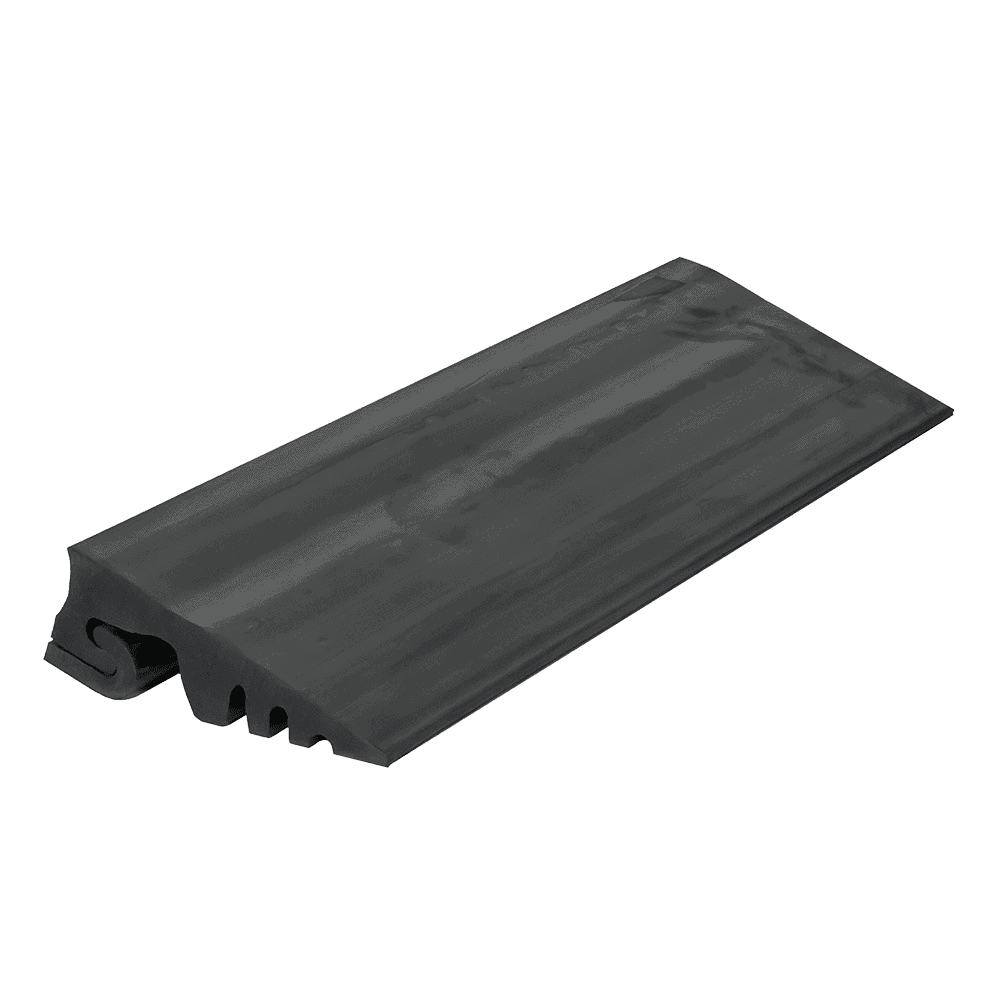
To help your construction outfit go green, we have 100% recycled trackout control mats, pipe & hose ramps, cable support towers, curb ramps, and wedge ramps.
When you’re ready to talk turkey about going green, give us a call.
Date Published: April 13, 2026