

Parking lots are one of the most accident-prone areas a business owns. They mix moving vehicles, pedestrians, tight sightlines, and distracted drivers in a small space. The good news is most incidents are preventable with the right layout, signage, and physical safeguards. This guide covers the main hazards, a prevention checklist you can act on, and the specific products that make a lot safer for employees and customers.
Key Takeaways
- Most parking lot accidents come from distracted driving, poor visibility, and unclear traffic flow.
- A safer lot combines good design (lighting, lines, crosswalks) with physical controls (wheel stops, speed bumps, bollards).
- Small, low-cost additions like wheel stops and speed bumps prevent the most common low-speed collisions.
- Use the checklist below to audit your lot, then address the gaps.
Why Parking Lots Are So Dangerous
The core problem is distraction at low speed. Drivers treat parking lots as low-stakes, so they do things behind the wheel they would not do on the road. In a National Safety Council public opinion poll, most drivers admitted to distracted behavior in lots: 66% make phone calls, 63% program a GPS, 56% text, 52% check social media, 50% send or check email, and 49% take photos or watch video while driving through a parking lot.
Combine that distraction with pedestrians walking between cars, limited sightlines, and drivers backing out of spaces, and low-speed collisions become common. The goal of parking lot safety is to remove as many of those failure points as possible.
Parking Lot Safety Checklist
Use this as a quick audit. Each “no” is a gap worth addressing.
- Are wheel stops in place to keep vehicles from overrunning spaces, walkways, and buildings?
- Is traffic flow clearly directed with arrows, lane lines, and signage?
- Are crosswalks marked and positioned at natural pedestrian paths?
- Is the lot well lit, especially near crosswalks and building entrances?
- Are painted lines and directional arrows still bright, or have they faded?
- Are speeds controlled with speed bumps or humps where drivers tend to accelerate?
- Are pedestrians protected from vehicles with bollards near entrances and walkways?
- Is signage visible, correctly placed, and in good condition?
- Are accessible spaces compliant and clearly marked?
- Are cameras or monitoring in place where incidents are a concern?
How to Make a Parking Lot Safer
Control where vehicles stop
Wheel stops are the first line of defense. Parking lot wheel stops keep a car from rolling too far forward into another vehicle, a walkway, a cart corral, or a building. They also keep every car aligned at the same point, so pedestrians on the walkway can see brake lights and know when a vehicle is moving.
Slow drivers down
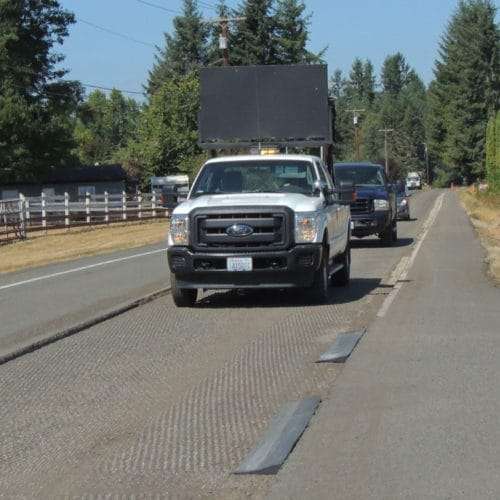
Where drivers tend to speed up, in long lanes or near exits, a speed bump gives a physical cue that a sign cannot. Bumps and humps are the most direct way to bring parking lot speeds down to a safe range and reduce the frequency and severity of collisions.
Separate and protect pedestrians.
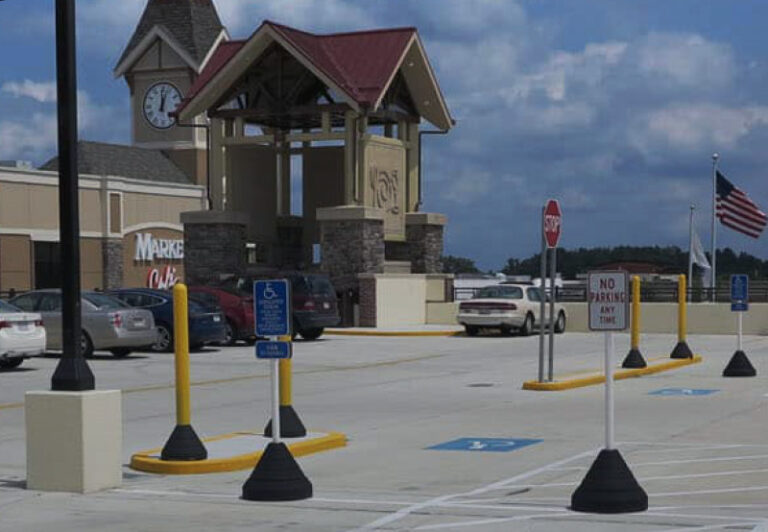
Clearly marked crosswalks placed at natural walking paths tell drivers exactly where to expect people on foot. Near entrances and walkways, bollards and bollard covers put a physical barrier between vehicles and pedestrians, protecting storefronts and foot traffic from low-speed impacts.
Direct traffic clearly
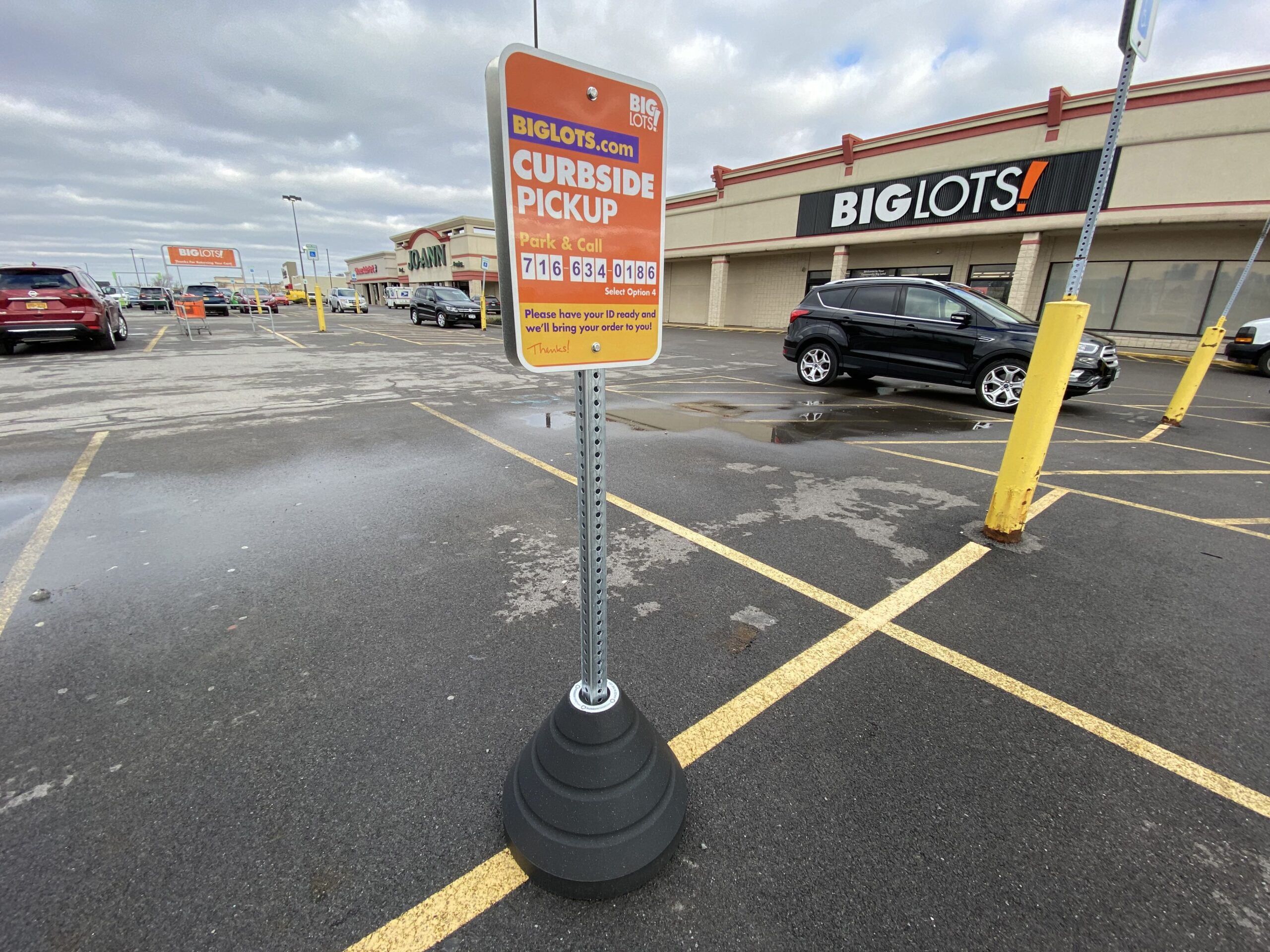
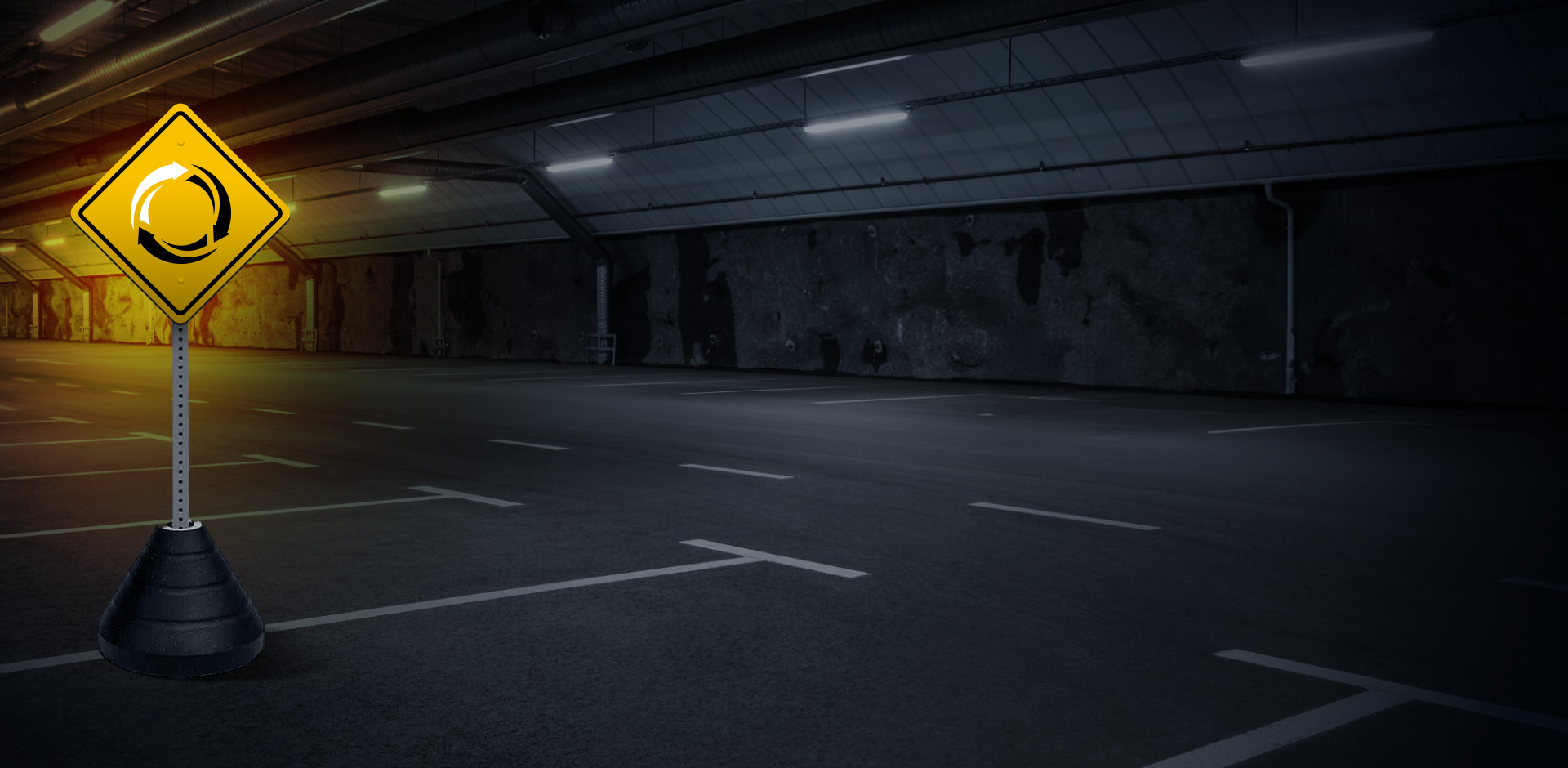
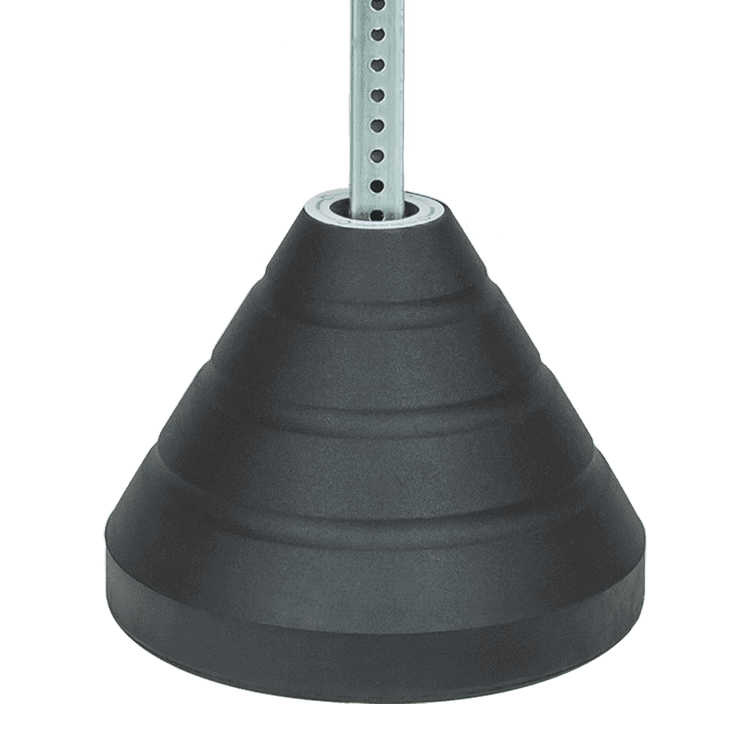
A disorderly lot is an unsafe lot. Fresh lane lines, directional arrows, and well-placed signs organize traffic so everyone knows where to go. Repaint faded lines rather than letting them wear away, and use portable sign bases and recycled aluminum signs to place clear direction and speed guidance where drivers need it.
Light the lot
Well-lit lots are instantly safer after dark. Place lighting near crosswalks, walkways, and between rows so drivers can see pedestrians before they become a hazard. Good lighting also deters the reckless behavior the NSC data describes.
Monitor and deter
Cameras with night vision help identify what happened after an incident and deter unsafe behavior before it. Posting signage that the lot is monitored encourages drivers to put the phone down and follow the rules.
Start With the Highest-Impact Fixes
You do not have to do everything at once. The cheapest, fastest wins are usually the physical controls: wheel stops to prevent overrun collisions, speed bumps where drivers accelerate, and bollards where vehicles and pedestrians meet. From there, work through the checklist, refreshing lines, lighting, and signage as needed.
RubberForm® makes recycled-rubber parking lot safety products, including wheel stops, speed bumps, sign bases, and bollard covers, that install quickly and hold up for years. When you are ready to make your lot safer, contact us, and we will help you match products to your layout.
Date Published: February 28, 2024